
1fichier File Encryption: End-to-End Security Options
- 1fichier File Encryption: End-to-End Security Options
- Understanding 1fichier File Encryption and End-to-End Security
- What Is End-to-End Encryption on 1fichier?
- Exploring the End-to-End Security Options in 1fichier File Encryption
- How to Enable Encryption for Your Files
- Best Practices for Maximizing 1fichier File Encryption
- Why Encryption Matters for Cloud Storage
Understanding 1fichier File Encryption and End-to-End Security
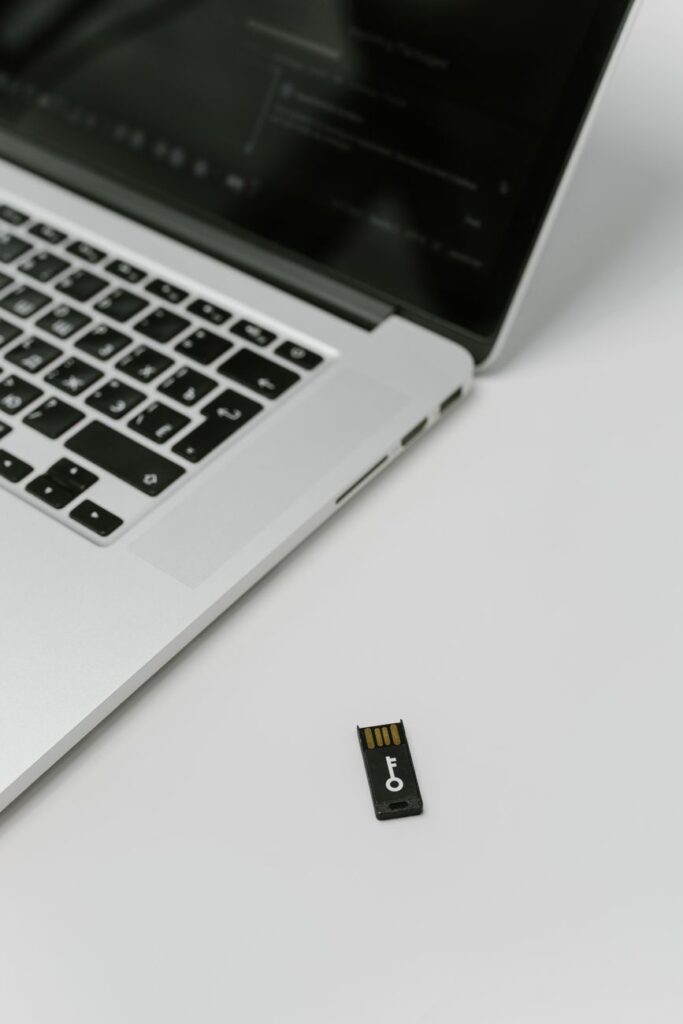
1fichier file encryption is a critical feature for anyone who values privacy when storing or sharing files online. In today’s digital landscape, data breaches and unauthorized access are real threats, making robust encryption more than just an option—it’s a necessity. This article explores the end-to-end security options available on 1fichier, helping you understand how your files are protected from upload to download.
Whether you’re a casual user or a business professional, knowing the encryption standards and security protocols can give you peace of mind. 1fichier employs industry-standard AES-256 encryption for files at rest, ensuring that even if data is intercepted, it remains unreadable without the correct decryption key. This level of protection is the same used by banks and government agencies worldwide.
What Is End-to-End Encryption on 1fichier?
End-to-end encryption (E2EE) means that your files are encrypted on your device before they are uploaded, and only you (or authorized recipients) hold the decryption key. 1fichier supports this by allowing you to set a password for each file or folder. Without this password, even 1fichier’s servers cannot decrypt your data. This is a proven method to maintain complete control over sensitive information.
For those concerned about privacy, this feature is a game-changer. It ensures that your data is never exposed in plaintext during transit or storage. You can combine this with other security measures, such as using a VPN for an extra layer of anonymity. For step-by-step guidance, check out our guide on 1fichier downloads VPN: Secure Your Files Step-by-Step.
Exploring the End-to-End Security Options in 1fichier File Encryption
1fichier file encryption offers multiple layers of security to suit different needs. The primary option is password-based encryption, where you set a unique password for each shared link. This password is required before anyone can download or view the file. Additionally, 1fichier uses TLS/SSL encryption for data in transit, protecting your files as they travel between your device and the server.
Another powerful feature is the ability to generate secure, time-limited links. These links can be set to expire after a certain number of downloads or a specific duration, further reducing the risk of unauthorized access. For more details on managing link expiration, read our article on 1fichier File Expiration: How to Set and Manage Links. This combination of encryption and access control creates a comprehensive security framework.
How to Enable Encryption for Your Files
Enabling encryption on 1fichier is straightforward. When uploading a file, you’ll see an option to add a password. Simply enter a strong password—using a mix of letters, numbers, and symbols—and confirm. Once set, anyone who receives the download link must enter this password to access the file. This simple step dramatically enhances security.
For bulk uploads or advanced users, 1fichier also supports client-side encryption through third-party tools. You can encrypt files locally before uploading, adding an extra layer of protection. This is particularly useful for legal documents, financial records, or creative assets. Learn more about securing your data in our comprehensive guide on 1fichier Security Features: How Safe Is Your Data?.
Best Practices for Maximizing 1fichier File Encryption
To get the most out of 1fichier file encryption, follow these proven tips. First, always use unique, complex passwords for each file or folder. Avoid reusing passwords across different platforms. Second, combine encryption with other privacy tools like VPNs or proxy servers to mask your IP address. This is especially important when sharing sensitive files publicly.
Third, regularly review your shared links and remove any that are no longer needed. 1fichier’s account management tools allow you to see all active links and their expiration dates. For more account optimization strategies, explore our article on 1fichier Account Management: Proven Tips for File. By staying proactive, you ensure that your data remains secure over time.
Finally, educate your recipients on how to handle encrypted files securely. Remind them not to share passwords via unsecured channels, and to download files only from trusted networks. With these practices, you can confidently share even the most confidential information.
Why Encryption Matters for Cloud Storage
In an era where data is a prime target for cybercriminals, encryption is your first line of defense. Without encryption, your files are vulnerable during upload, storage, and download. 1fichier’s commitment to robust encryption standards means you can store everything from personal photos to business contracts with confidence. It’s not just about security—it’s about trust.
For businesses, encryption is often a compliance requirement under regulations like GDPR or HIPAA. 1fichier’s security options help you meet these standards without complex configurations. If you’re managing a team, check out our best practices in 1fichier for Business: Best Practices for Team. Encryption ensures that your collaborative work stays within your control.
Now is the time to take control of your data security. Start using 1fichier file encryption today—set strong passwords, manage your links, and explore the full range of security features. Your privacy is worth protecting, and 1fichier provides the tools you need to do it effectively. Visit your account settings to enable encryption and share files with complete peace of mind.